
Price includes hive and shipping (choose North or South Island)
* Please read instructions before the Bee’s arrive*
IMPORTANT: DO NOT DISMANTLE THE HIVE
The cardboard outer box and plastic inner hive/liner must remain assembled throughout use. Open the hive using the blue slider door only. Please read the opening instructions below before releasing the bees.
Good pollination can be the difference between a garden full of flowers and one filled with fruit. Designed for home gardeners and orchardists, the Zonda Home Garden Bumblebee Hive provides an established colony of bumblebees to support the pollination of fruit, vegetables and flowers grown outdoors or under cover.
Bumblebees are remarkably effective pollinators. Their large, furry bodies carry pollen efficiently, and they can continue working in cooler, duller and lightly unsettled conditions when other pollinators may be less active. They are particularly valuable for tomatoes, capsicums, courgettes, cucumbers, strawberries, blueberries, stone fruit and many other flowering crops.
Each self-contained hive is supplied with approximately 50 worker bumblebees, a founder Queen and developing brood, including eggs, larvae and pupae. A built-in bladder of sugar syrup helps sustain the colony throughout its working life, so no additional feeding or cleaning is required.
Beyond their contribution to the garden, bumblebees are fascinating to observe as they move methodically between flowers, gathering pollen and returning to the hive.
Please note: This is a live product. Correct delivery details, prompt attention on arrival and careful hive placement are essential for the wellbeing of the colony. Please read all delivery, guarantee and care information before ordering.
The colony will generally remain active for four to six weeks and may sometimes continue for considerably longer, depending on the health of the Queen and colony, the weather and the flowering food sources available.
The founder Queen and worker bees will eventually die as a natural part of the colony’s life cycle. Before this happens, the hive may produce new Queens, which leave to mate, hibernate and establish colonies of their own.
Zonda’s four-week live-hive guarantee begins on the date the hive is dispatched. If the colony appears to fail prematurely within those four weeks, please contact Kings Seeds immediately with your order details, photographs and information about the hive’s activity. We will liaise with Zonda and arrange assistance or a replacement where applicable.
The guarantee does not cover colony loss caused by pesticide or chemical exposure, incorrect placement, avoidable customer handling, or incorrect delivery information supplied with the order.
Home Garden Hives are best introduced during spring or summer when there are plenty of plants in flower. They may also be used during cooler months where a suitable protected glasshouse or growing environment is available.
For the greatest pollination benefit, position the hive when the plants you wish to pollinate are beginning to flower.
Choose and prepare the location before opening the hive. Place it:
• Near the flowering crops requiring pollination.
• In a quiet, sheltered and well-ventilated position.
• Out of direct sunlight to prevent overheating.
• Under protection from heavy rain and strong wind.
• On a stable support raised above ground level.
• Where ants cannot easily reach the hive or sugar syrup.
• Away from busy paths and areas frequently used by children or pets.
The hive has a waxed outer surface that provides some protection from the weather, but it is not fully weatherproof. Place a piece of wood or another waterproof cover above the hive during wet conditions, ensuring the entrance and ventilation remain unobstructed. Do not wrap the hive in plastic.
When the hive arrives, place it somewhere quiet and cool in its prepared location. Allow the bees time to settle and reorient themselves before opening the entrance. Follow the supplied opening instructions carefully and do not stand directly in front of the hive.
You may see a bumblebee arriving at or leaving the hive approximately every five to ten minutes, although activity naturally varies with the weather, time of day, available flowers and stage of the colony’s life cycle. Bumblebees do not swarm out of the hive like honeybees, and low visible activity does not necessarily mean the colony is unhealthy.
Prepare the hive’s final position before opening it. Place the hive somewhere quiet, cool and sheltered, then allow the bees time to settle after their journey.
Keep the cardboard outer box and plastic inner hive/liner fully assembled.
Remove the top lid only.
Cut the piece of Sellotape beside the blue slider door. This tape keeps the hive securely closed during transport.
Replace the lid, making sure the entrance holes remain visible through the opening in the cardboard.
Stand to the side of the hive, not directly in front of the entrance.
Slide the blue door fully to the left until both entrance holes are open.
Do not remove the plastic inner hive/liner or the small black plastic flap.
Bumblebees and their developing brood can be seriously harmed by insecticides, systemic pesticides and other garden chemicals. Do not apply potentially harmful sprays to flowering plants while the hive is active.
Exposure to garden sprays or pesticides is not covered by the live-hive guarantee.
Your hive will be dispatched directly by Zonda, our specialist New Zealand supplier. Kings Seeds hive orders will generally be dispatched on Wednesdays. Dispatch may be postponed around public holidays, extreme weather or known courier disruptions to protect the colony.
Please check that the recipient’s name, delivery address and contact details are completely accurate before placing your order. A hive that cannot be delivered because incorrect details were supplied is not eligible for replacement under the live-hive guarantee.
No signature is required and nobody needs to be home to receive the hive. It may be left at the delivery address, so please ensure there is a cool, sheltered place away from direct sunlight where the courier can safely leave it.
Rural deliveries may take two to three days. Zonda monitors tracking and will contact the courier if a significant delay or delivery issue occurs.
Inspect the package promptly when it arrives. Check for:
• Significant damage to the packaging or hive.
• A wet or badly disrupted inner hive.
• Leaking sugar syrup.
• Signs that the internal components have been overturned or displaced.
A small amount of leaked sugar syrup does not necessarily mean the bees have been harmed. Before releasing the bees, wipe any syrup from the outside of the hive with hot, soapy water. Do not dismantle the cardboard box or remove the plastic inner hive/liner. If syrup appears to have leaked beneath the liner, keep the hive closed in a cool, sheltered place and contact Kings Seeds for guidance before handling it further.
If the hive appears badly damaged, wet or disrupted, place it somewhere cool and sheltered and contact Kings Seeds immediately. Please include your order details and clear photographs or video of the outer packaging, hive and any visible damage. Do not discard the packaging.
Allow the hive to complete its natural life cycle so any remaining males or new Queens have time to leave. If one or two bees remain, carefully open the plastic inner hive and allow them to finish their life cycle naturally before dismantling it.
Once there is no remaining activity:
• Clean hard plastic components are number 5 plastic and may be accepted in kerbside recycling. Check your local council’s guidelines.
• Bee brood, insulating cotton, dead bees, wax pots and other organic material can be added to a home compost system.
• The bladder wick and rigid neck should be placed in general rubbish.
• Rinse the bladder bag, remove the rigid neck and take the remaining bag to an appropriate soft-plastic recycling point.
• Plain brown cardboard can be composted and printed cardboard can be placed in cardboard recycling.
Wear gloves when dismantling and cleaning the hive, and soak plastic components in hot, soapy water before removing wax, pollen and other material.
Annual
A plant that completes its entire life cycle (germinates, grows a plant, flowers, produces seed, dies) in one season. It may self-sow, thereby giving the impression of being perennial. Most annuals will flower 60 to 75 days from sowing.
Hardy Annual
An annual that does not need to be germinated indoors but can be sown direct into its growing position in the garden in spring and is tolerant of frost.
Tender Annual
An annual that is frost tender and can be germinated indoors. Sowing direct or planting outdoors must not occur until all danger of frost has passed (also known as a Half-Hardy Annual).
Biennial
A plant that completes its entire life cycle in two years - growing in the first, reproducing and dying in the second. Typically, but not always, producing flowers only in the second year.
Perennial
A plant that can live for more than two years, surviving the winter and flowering each year from the second season. Perennials may flower within 90 days of sowing in their first season but will more typically flower in their second season.
Hardy Perennial
A perennial that is frost tolerant.
Tender Perennial
A perennial that is frost tender.
Hardy
A plant that will survive frost.
Tender
A plant that will not survive frost.
Bolting
Going to seed. Premature formation of a seed stalk, may be due to plant stress.
Botanical Name
The formal scientific name conforming to the International Code of Nomenclature for plants. Identifies the genus and species to which the plant belongs useful in distinguishing plants uniquely.
Cotyledon
The seed leaves or first leaves that emerge from a germinated seed, different in form from the later true leaves.
True Leaves
The leaves that emerge after the cotyledons which are indicative of the true form
of the plant’s leaves.
Determinate
Growth stopped by development of terminal flower buds. A dwarf/bush variety which sets fruit in a concentrated period.
Indeterminate
Growth continuing indefinitely when leaf buds form at the tip of the growth. These varieties need to be staked and continue to set fruit until frost.
Heirloom
A variety that is older than two generations (50 years). Can also be referred to as “Heritage” and is always an open pollinated variety selected for garden performance (flavour, long harvest).
Hybrid
A plant resulting from a cross between two parent plants to give a genetically superior plant i.e. improved disease resistance, better vigour, more uniform harvest. Normally, seed saved from hybrids does not grow true to type.
F1 - The first generation of such a cross. Denoted in the name of the variety.
F2 - The second generation of such a cross etc.
Open Pollinated
Natural cross between plants of the same variety. Refers to non-hybrid seeds or plants.
Scarification
The practice of scratching, sanding, notching or nicking the seed coat to assist germination. Used for seed of species that have very hard seed coats.
Stratification
The process of chilling seeds to promote germination by breaking dormancy. Can be artificially carried out by placing seed in your fridge. Follow specific instructions online for the period of chilling time.
Surface Sow
Seed that requires light to germinate. Sow seed on the surface. Press down into the soil. Keep moist.
Germination
Seed germination is the process by which a seed sprouts and begins to grow into a plant. It involves rehydrating the seed, activation of metabolic processes and the emergence of a young seedling from the seed coat. This process is triggered by factors like temperature, water and in some cases light.
Viability
The ability of seeds to germinate.
Vigour
The speed and the strength of the plant to establish well.
Delivery
Courier delivery by NZ Post.
Delivery available only to valid New Zealand
addresses.
The appropriate delivery charge will be applied at checkout.
Delivery charges are subject to change without notice.
You can track the status of your shipment via the link provided in your order confirmation email or by logging into your account online.
Click n Collect
Seed can only be collected from our warehouse at 189 Wharawhara Rd, Katikati.
Select Click n Collect at the checkout.
Click n Collect does not apply for collection at any Kings Seeds stockists nationwide.
Returns
Seed or Products can only be returned with authorisation from Kings Seeds.
Any request for the return of Seed or Products must be made within 14 days of delivery to info@kingsseeds.co.nz
Returned Seed or Products will only be accepted if unopened and in the same condition as when supplied and a record of your purchase can be found.
The Customer shall pay all costs in relation to return of the Seed or Products unless it is deemed a warranty issue.
Please see our Terms & Conditions of Sale for further information on our Returns Policy.
The hive contains approximately 50 worker bumblebees, a founder Queen and developing brood consisting of eggs, larvae and pupae. It also has a built-in bladder of sugar syrup to help sustain the colony throughout its working life.
No. The hive is self-contained and does not require additional feeding or cleaning. However, it must be carefully positioned and protected from direct sun, overheating, heavy rain, strong wind, ants and harmful garden sprays.
The colony will generally remain active for four to six weeks and may sometimes continue for longer, depending on the health of the colony and the flowering food sources available. Its eventual decline is a natural part of the bumblebee life cycle.
Zonda’s four-week live-hive guarantee begins on the date the hive is dispatched. If the colony appears to fail prematurely during this period, contact Kings Seeds immediately with your order details, photographs and information about the hive’s activity. We will work with Zonda to assess the concern and arrange assistance or a replacement where applicable.
The live-hive guarantee does not cover colony loss caused by pesticide or chemical exposure, or delivery problems resulting from incorrect address information supplied with the order. Other concerns will be assessed by Kings Seeds and Zonda based on the circumstances and information provided.
Bumblebees can help pollinate tomatoes, capsicums, courgettes, cucumbers, strawberries, blueberries, fruit trees and many other flowering fruit, vegetable and ornamental crops.
Spring and summer are generally the best seasons because gardens contain plenty of flowers and conditions are warmer. Introduce the hive when the plants you want pollinated are beginning to flower. In cooler weather, the hive should be placed within a suitable protected environment.
Inspect the package promptly for visible damage, significant leaking or displaced internal components. Place the unopened hive somewhere quiet, cool and sheltered in its prepared location and allow the colony time to settle before opening it according to the supplied instructions.
If sugar syrup has leaked, clean it away with hot, soapy water before releasing the bees, as the syrup can attract ants. If the hive appears badly damaged, wet or disrupted, contact Kings Seeds immediately with your order details and photographs.
As a general guide, you may see a bumblebee arriving or leaving every five to ten minutes. Activity will vary according to the time of day, weather, available flowers and the colony’s stage of development. Bumblebees can remain away from the hive for some time while gathering pollen.
Bumblebees generally forage within approximately 500 metres of their hive when suitable flowers are available nearby. They can travel several kilometres when necessary to find food.
Bumblebees are generally not aggressive, but female worker bees and Queens can sting if threatened. Male bumblebees cannot sting. Avoid disturbing or blocking the hive entrance and keep the hive away from busy areas.
Anyone with a known allergy to bee or insect stings should carefully consider whether a live hive is appropriate for their property.
Some insecticides, systemic pesticides and other garden chemicals can seriously harm adult bumblebees and developing brood. Avoid applying potentially harmful sprays to flowering plants while the hive is active. Seek specialist guidance before spraying or moving the hive.
Raise the hive above ground level and check it regularly. If ants become a problem, place the hive support inside a shallow tray of water to create a moat, ensuring the hive remains safely above the water. Alternatively, an odourless food-grade grease or ant-trapping glue may be applied to the legs of the hive support.
Allow the hive to complete its natural life cycle so any remaining males or new Queens have time to leave. Once there is no remaining activity, the clean number 5 hard-plastic components may be recycled where accepted locally. Organic hive material can be composted, while the cleaned bladder bag may be taken to a soft-plastic recycling point after its rigid neck has been removed. Please follow the complete recycling instructions supplied with the hive.
Tomato Indigo Pear Drops
Cherry tomato. A unique variety producing small, yellow, pear-shaped tomatoes with purp
Tomato Matt's Wild Cherry
Cherry tomato. From the wilds of Mexico, novel blueberry size fruit have full flavour s
Tomato Sicilian Sauce F1
Roma tomato. A productive paste tomato that yields good numbers of 150-160g bright-red
Tomato Tigerella
Cocktail tomato. Originally from England, this highly productive variety bears huge cro

Mustard Gai Choy
Possibly the most common mustard greens used in Chinese cuisine, served as a side dish
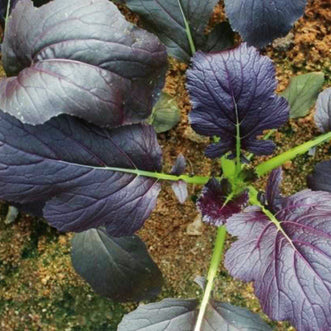
Mizuna Red Kingdom F1
Finely serrated mustard with dark purple leaves and dark veins at babyleaf size (21 day
Tomato Gold Nugget
Cherry tomato. Early to mature, the compact plants are great for small spaces and conta
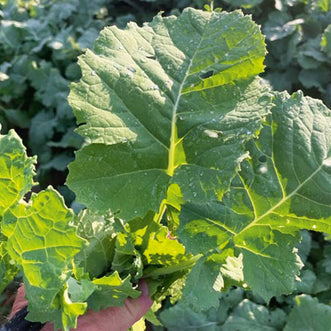
Kale Noble
Known for its remarkable resilience and fast growth, a gentle frost not only enhances i
Kale Scarlet
Attractive curled red kale with attractive frilly leaves as much at home in the flower
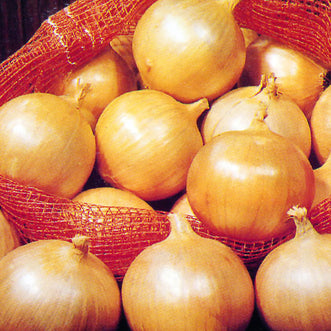
Onion Yellow Sweet Spanish
A large golden-brown skinned onion with a mild, sweet flavour. Produces uniform globe-s
Viola Heartsease Miss Helen Mount
Old-fashioned, English wildflower with petite blooms in blue, purple and yellow. Excell
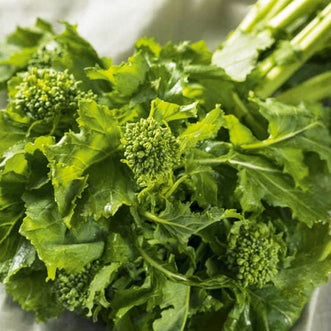
Organic Broccoli Raab Spring Rapini
Italian specialty, no central head but many tasty leaves and side shoots with green flo
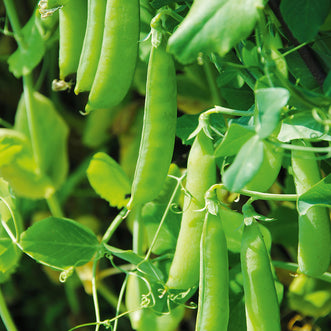
Pea Greenfeast
Well known and very popular dwarf green pea for the home gardener. Growing to waist hei
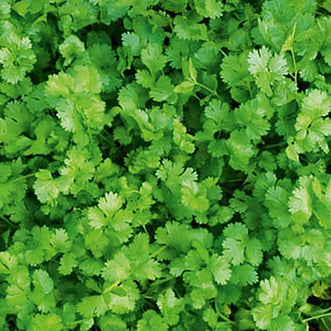
Coriander Picante
A very popular herb for culinary use, all parts of the plant are edible, but the fresh
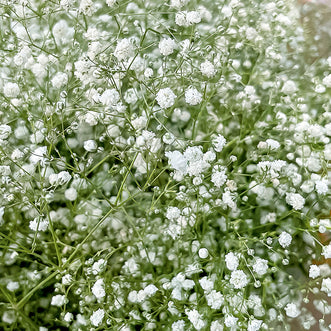
Gypsophila Virgo
Delicate stems and myriads of white, double blossoms add a delightful airy grace to any
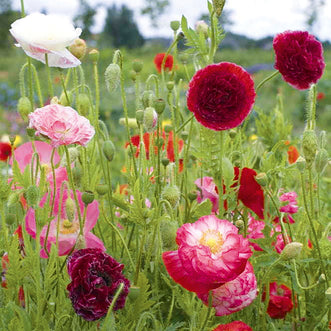
Poppy Shirley Double Mix
Prolific flowering, double-petalled poppies in an array of shades with petals the textu
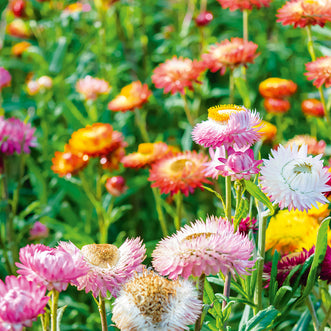
Helichrysum Swiss Giants
A classic mix of double-flowered, everlasting flowers in the full colour range. Harvest
Sunflower Autumn Beauty (treated seed)
Branching, long-stemmed sunflower with solid colour and bicolour flowers in rich earthy
Viola Edible Flower Mix
A colourful "rainbow" mix of mid-sized, round face types perfect for culinary use. Exce
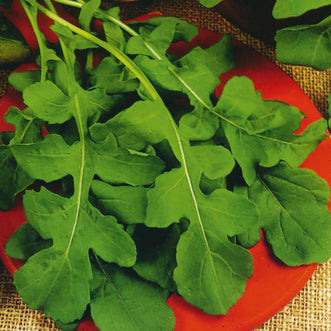
Organic Rocket
Equally good on its own or in a salad, rocket has a distinctive slightly bitter and pep
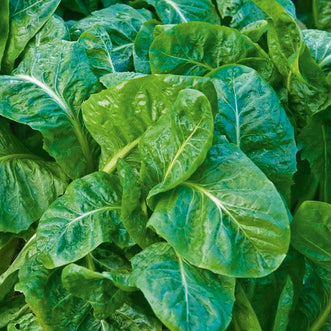
Organic Beet Erbette
Selection of perpetual spinach, with a thinner stem and light-green leaf. An excellent
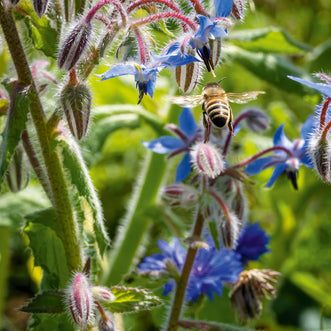
Borage
Borage is grown mostly for its bright blue edible flower and is an excellent bee plant
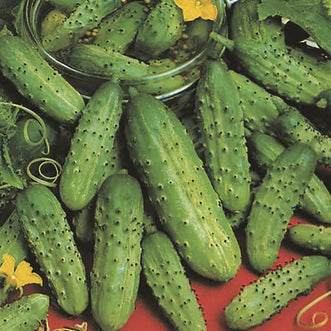
Cucumber Homemade Pickles
Bred for pickling, these medium-green cucumbers have crisp flesh and excellent flavour.
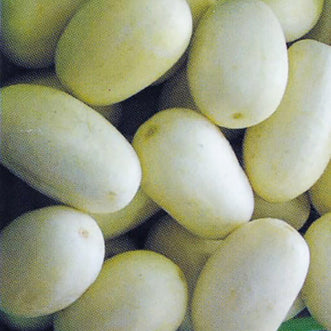
Cucumber Crystal Apple
Apple-size cucumber with sweet taste and crisp juicy flesh that can be eaten thin skin
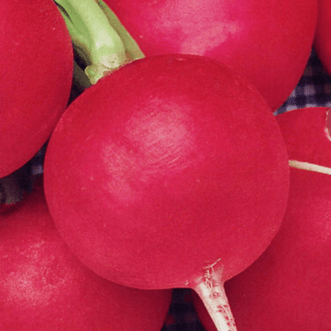
Radish German Giant
Very large round, red radish with a mild flavour. Amish heirloom dating back to the 18t
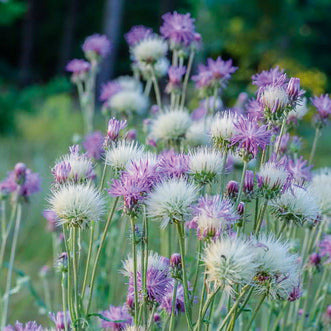
Centaurea Sweet Sultan Mix
Cottage garden favourite with honey-scented, soft thistle-like flowers in white, rose,
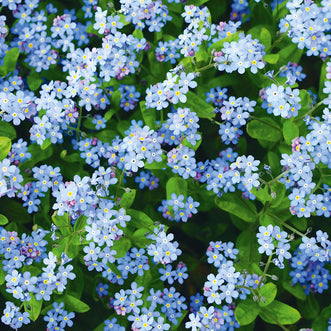
Forget-Me-Not Indigo Blue
A classic woodland plant that grows well in cool, shadier areas of the garden and wild

Poppy Flanders Red
Known as the Anzac poppy, single scarlet-red flowers for remembrance. Sow in drifts to
Organic Carrot Berlicum
Very sweet early bunching carrot. Similar to Scarlet Nantes with high sugar and crisp t
Organic Basil Sweet Genovese
A staple herb for home gardeners and our most popular basil for a reason - reliable, ar
Thyme English Winter
An essential in any herb garden. This variety has dark green broad leaves and is a basi
Stock Night Scented
Very few plants can match the exquisite fragrance on the warm night air in summer. The
Yarrow Common White
A medicinal herb used extensively over the centuries for various ailments including to
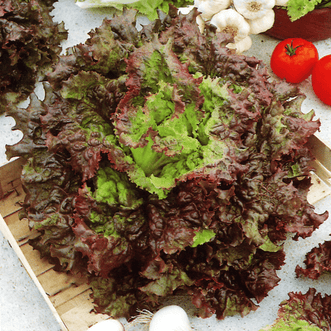
Lettuce Drunken Woman Fringed Head
Originating in Italy this heirloom variety is still a popular choice due to its reliabi
Sunflower Sunfill Purple F1 (treated seed)
A unique PRE-BLOOM, bouquet filler harvested when the buds are full, b
Sunflower Sunfill Green F1 (treated seed)
A unique PRE-BLOOM, bouquet filler harvested when the buds are full, b
Parsley Italian Flat Leaf
Widely cultivated, flat-leaf parsley such as this is often preferred by chefs and cooks
Organic Dill
Popular culinary herb with classic flavour. Abundant foliage on strong stems, slow to b
Chives Broad Leaf
A commonly used herb, the green stalks (scapes) are diced and used as an ingredient for
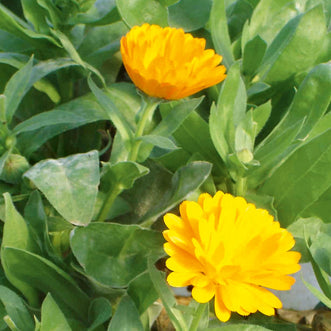
Calendula Nova
Considered among gardeners as one of the easiest and most versatile flowers to grow in
Cosmos Unique Mix
A popular mix which is a lucky dip of different colours, petal shapes and flower types.
Delphinium Magic Fountains Mix
Large, double flowers of blue, mauve, purple and white with varying centres of white or
Marigold Honeycomb
Compact French marigold bearing full, crested flowers of mahogany-red, edged with golde
Aster Cut Flower Assortment
Fabulous mix of almost every possible
In a hurry? Know exactly what you want? You can enter the product codes here and proceed straight through the Checkout.
Use Quick CheckoutYou are just $40.00 away from earning two FREE packets.
Purchase value excludes gift cards purchased & delivery charges.
You have reached the maximum FREE bonus packets
Loading...
Subtotal
NZ $0.00
Taxes and shipping calculated at checkout
Catalogue
